
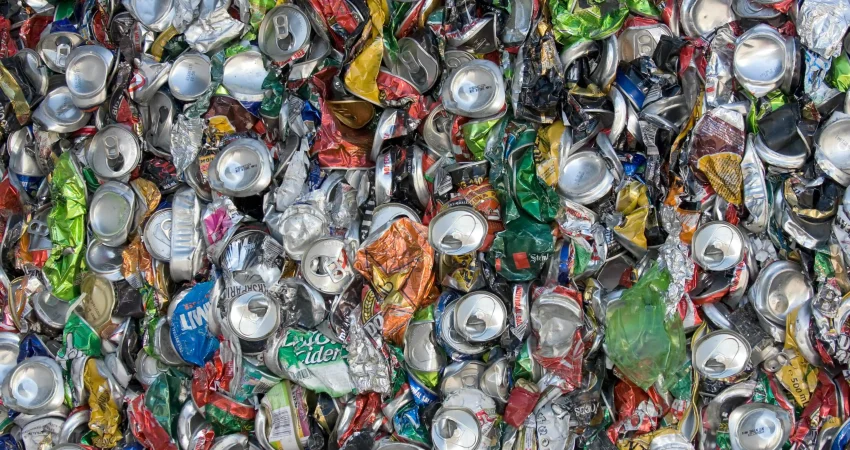
Understanding the different types of scrap metal is essential if you want to get the best value when Understanding the different types of scrap metal is essential if you want to get the best value when selling scrap. Scrap metals are generally divided into two main categories: ferrous and non-ferrous metals.
Each type has different properties, uses, and price values. Knowing the difference can help you sort your scrap properly and earn higher profits when dealing with scrap metal buyers.
What Are Ferrous Metals?
Ferrous metals contain iron and are known for their strength and durability. These metals are widely used in construction and manufacturing.
Common Ferrous Scrap Metals
- Steel
- Stainless steel
- Cast iron
- Wrought iron
These materials are commonly found in:
- Buildings and construction sites
- Machinery and tools
- Vehicles and infrastructure
Key Characteristics
- Magnetic
- Strong and durable
- Prone to rust (except stainless steel)
Scrap Value
Ferrous metals usually have lower prices per kg compared to non-ferrous metals, but they are often available in large quantities.
What Are Non-Ferrous Metals?
Non-ferrous metals do not contain iron and are more resistant to corrosion. These metals are highly valuable in the scrap market.
Common Non-Ferrous Metals
- Copper
- Aluminum
- Brass
- Lead
- Zinc
Key Characteristics
- Non-magnetic
- Lightweight
- Corrosion-resistant
- Higher value
Scrap Value
Non-ferrous metals like copper and brass often have high scrap prices, making them very profitable.
Why This Difference Matters
Scrap buyers pay different rates based on metal type. For example:
- Copper scrap buyers offer high prices
- Aluminum buyers offer moderate prices
- Steel scrap buyers offer lower prices
Sorting your scrap into ferrous and non-ferrous categories helps maximize your earnings.
Common Sources of Scrap Metal
Household Scrap
- Appliances
- Electronics
- Furniture
Industrial Scrap
- Manufacturing waste
- Construction materials
- Machinery parts
Automotive Scrap
- Batteries
- Engines
- Metal parts
Tips for Identifying Scrap Metal
- Use a magnet (sticks = ferrous)
- Check weight (non-ferrous is lighter)
- Look at color (copper = reddish, brass = yellow)
Recycling Benefits
Recycling scrap metal:
- Saves energy
- Reduces mining
- Protects the environment
Conclusion
Understanding ferrous vs non-ferrous scrap metal helps you sell smarter and earn more. Always separate your materials and work with professional scrap buyers for the best prices.